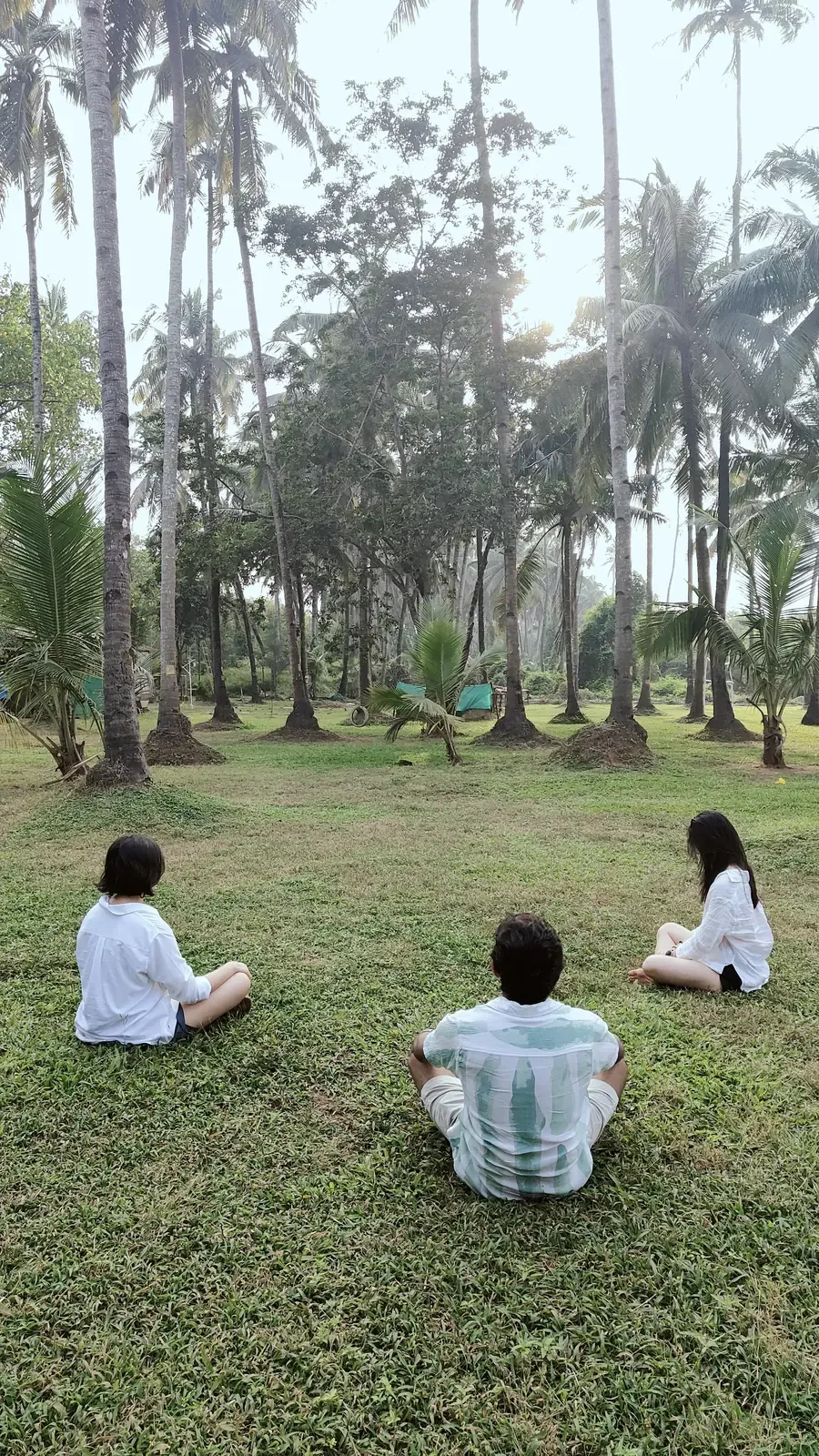
The short answer: silence feels uncomfortable because we are used to constant input, and when it disappears, whatever the noise was covering becomes noticeable. Restlessness, boredom, self-criticism or sudden emotion are common reactions and usually ease with gentle practice. They are not signs that you are doing it wrong.
What is usually going on
- Withdrawal from stimulation. A mind used to scrolling and notifications reaches for them. The urge is a habit, not a need.
- Unfinished thoughts. In quiet, unprocessed worries and memories rise to the surface.
- Self-consciousness. In groups, silence can feel like a social test.
- Unfamiliar sensations. The body's small signals, such as heartbeat and breath, become easier to hear, which some people find unsettling.
Ways to ease in
- Start short. Two or three minutes counts.
- Give the mind a task. Count breaths, listen to distant sounds or feel your feet on the floor.
- Keep your eyes soft or open if closing them feels too much.
- Move first. A short walk or some stretching can make stillness easier.
- Name what shows up. Silently say "restless" or "worrying" and return to the breath.
- Choose guided options if silence is too much. Read about guided versus silent meditation.
What not to do
Do not force yourself to endure distress. Silence is meant to be a gentle practice. If it brings up strong anxiety, intrusive memories or panic, stop, open your eyes, look around the room, and do something grounding such as walking or speaking to someone. If this happens repeatedly, please speak to a doctor or qualified mental health professional. Silent practices are not suitable as a self-treatment for trauma or mental health conditions.
How retreats handle silence
Inward Action does not impose silence. Quiet moments appear naturally, in morning practice, by the water or in the closing meditation, and every session is optional. The voluntary phone-off culture makes quiet easier to settle into, and the facilitators explain practices as they go. If you are a first-timer, our beginner's guide to meditation retreats may help.
A short practice to try tonight
Sit comfortably. Set a timer for three minutes. Notice three sounds near, three far. When your mind wanders, note "thinking" and return to listening. When the timer ends, take one slow breath before moving.
A short history of quiet in practice
Many contemplative traditions use silence as a deliberate tool, from periods of quiet in monasteries to the silent sitting common in meditation retreats. Yet most traditions also recognise that silence can be difficult at the start, and teachers typically build it gradually, with guidance, walking practice and rest. The idea is not to endure silence but to become friendly with it over time.
Social silence versus inner silence
It helps to separate two experiences. Social silence is the awkward pause in a conversation or group, and it often eases once you accept that pauses are normal. Inner silence is the quieting of mental chatter, and it is rarely total. You can sit in a quiet room with a busy mind and still be practising. Expecting empty quiet is another way of forcing calm, so it helps to ask only: can I be with whatever is here?
Building tolerance gently
Try this over two weeks. Days 1–3: three minutes of listening to sounds. Days 4–7: five minutes of sitting with the breath. Days 8–10: seven minutes with eyes soft. Days 11–14: ten minutes. If a step feels too much, repeat the previous one. Progress is not a race. Pair the practice with a pleasant ritual, such as a warm drink afterwards, so quiet becomes associated with comfort.
Frequently asked questions
Is it normal to feel anxious in silence?
It is common, especially at first. Keep sessions short and stop if it becomes distressing.
Will I get used to it?
Many people find silence becomes more comfortable with regular, gentle practice, though experiences differ.
Do I have to be silent at a retreat?
No. Quiet is offered, not enforced.
What if I cry?
That is okay and quite common. Let it pass, and step out if you wish.
Next step
Curious how quiet and community balance on the island?
Practice With Us
Take the practice to the island
Short guided days on our private island near Siolim, Goa. Pick your preferred dates, or book a private session for your group.
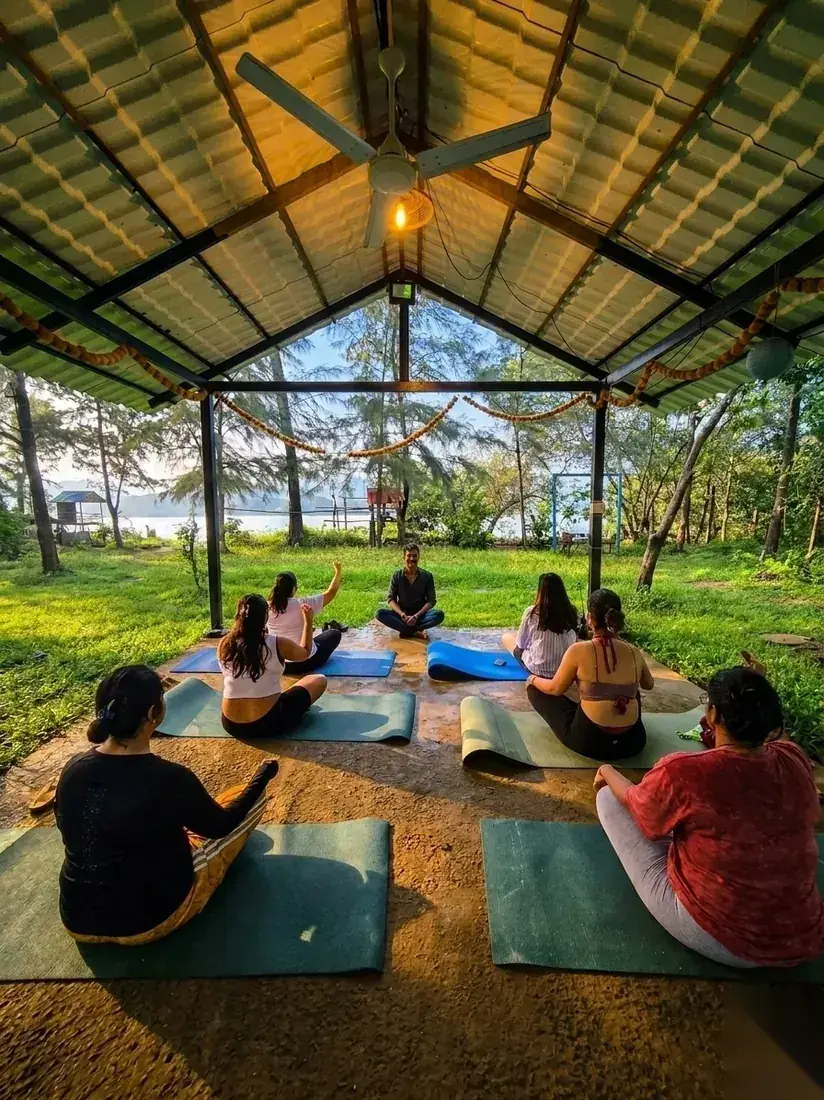
Morning Yoga and Island Breakfast
7:30 am to 10 am · ₹2,222 per person
Begin the day with breath, movement, and a nourishing island breakfast.
See details & book →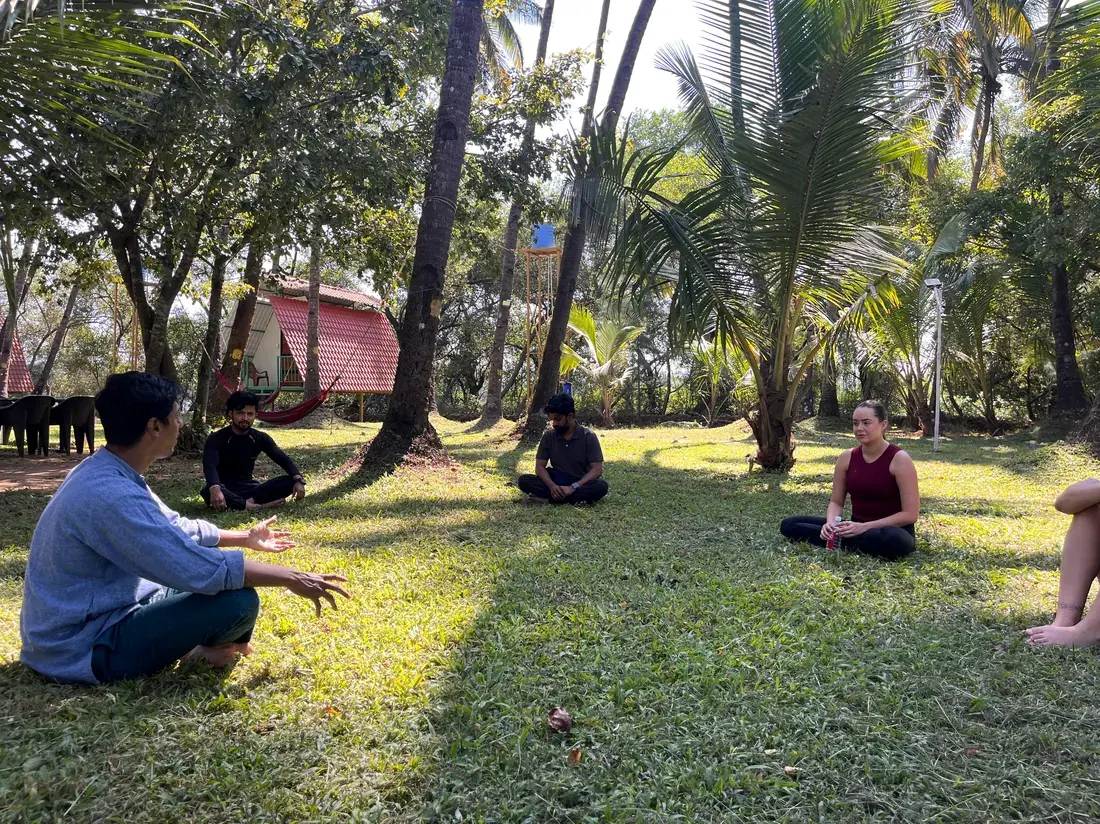
Full-Day Chakra Reset
10 am to 6 pm · Price on request
A full day to move energy, soften the mind, and celebrate being alive.
See details & book →
Island Breathwork Reset
4 pm to 7 pm · Price on request
Breathe deeper. Slow down. Come back to yourself.
See details & book →