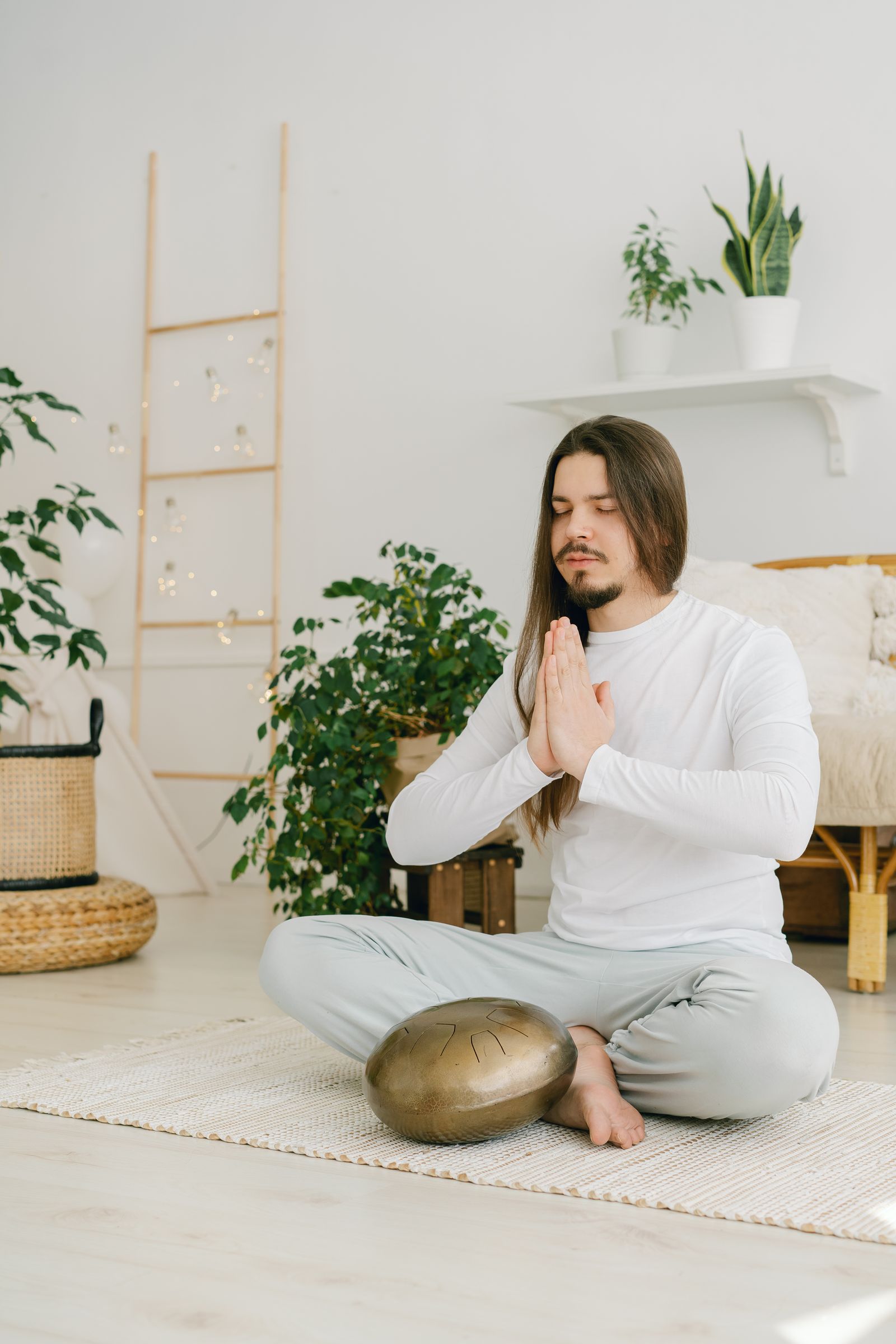
First-time meditation retreat attendees tend to arrive with one of two unrealistic expectations: either that they'll achieve some blissful, thought-free state quickly, or that their inability to "quiet their mind" means they're somehow doing it wrong. Neither is accurate, and knowing that in advance makes the actual experience far less frustrating.
What a meditation retreat day typically looks like
Expect multiple guided sessions spread across the day, usually alternating between formal seated meditation and more active practices (movement, breathwork, walking meditation) to balance the stillness. Sessions are typically guided rather than entirely silent for beginners, with a facilitator offering instruction and checking in periodically.
The single biggest misconception
Meditation is not about stopping thoughts. Thoughts will arise constantly, especially for beginners — this is normal brain function, not a failure of practice. The actual skill being trained is noticing when attention has wandered and gently returning it, repeatedly, without frustration at how often this happens.
What the first day commonly feels like
Restlessness, impatience, and a surprising amount of mental noise are typical first-day experiences — your mind, unaccustomed to sustained stillness, tends to get louder before it gets quieter. This isn't a sign the retreat isn't working; it's often described as the mind "venting" accumulated busyness before it can settle.
Physical discomfort is normal too
Sitting still for extended periods is uncomfortable for most bodies, especially unconditioned ones. Expect some physical restlessness and the urge to shift position frequently in early sessions — this improves with practice, and most retreats allow movement and position changes rather than demanding rigid stillness.
How to set realistic expectations
- You likely won't achieve a dramatic, blissful state in your first retreat, and that's completely normal
- Noticing moments of genuine stillness, even brief ones, is a real and valuable outcome
- Physical and mental restlessness in the first day or two is expected, not a sign of failure
- The value often shows up more in the days and weeks after the retreat than during it
What makes a retreat setting easier for beginners than a silent meditation center
Pure silent retreats (common in some traditions) can be intense for complete beginners — extended silence with minimal guidance. A retreat that blends meditation with movement, breathwork, nature, and community (rather than enforced silence throughout) tends to be a gentler, more sustainable entry point for people new to formal practice.
A simple way to prepare
Lower your expectations for immediate results, expect some discomfort and restlessness especially early on, and focus on simply showing up for each session rather than judging how "well" you meditated. The judgment itself is usually the biggest obstacle for beginners, more than the actual difficulty of the practice.
Ready When You Are
Want to try meditation within a varied, beginner-friendly structure? See what a typical retreat day includes or explore the 3-Day Island Reset.