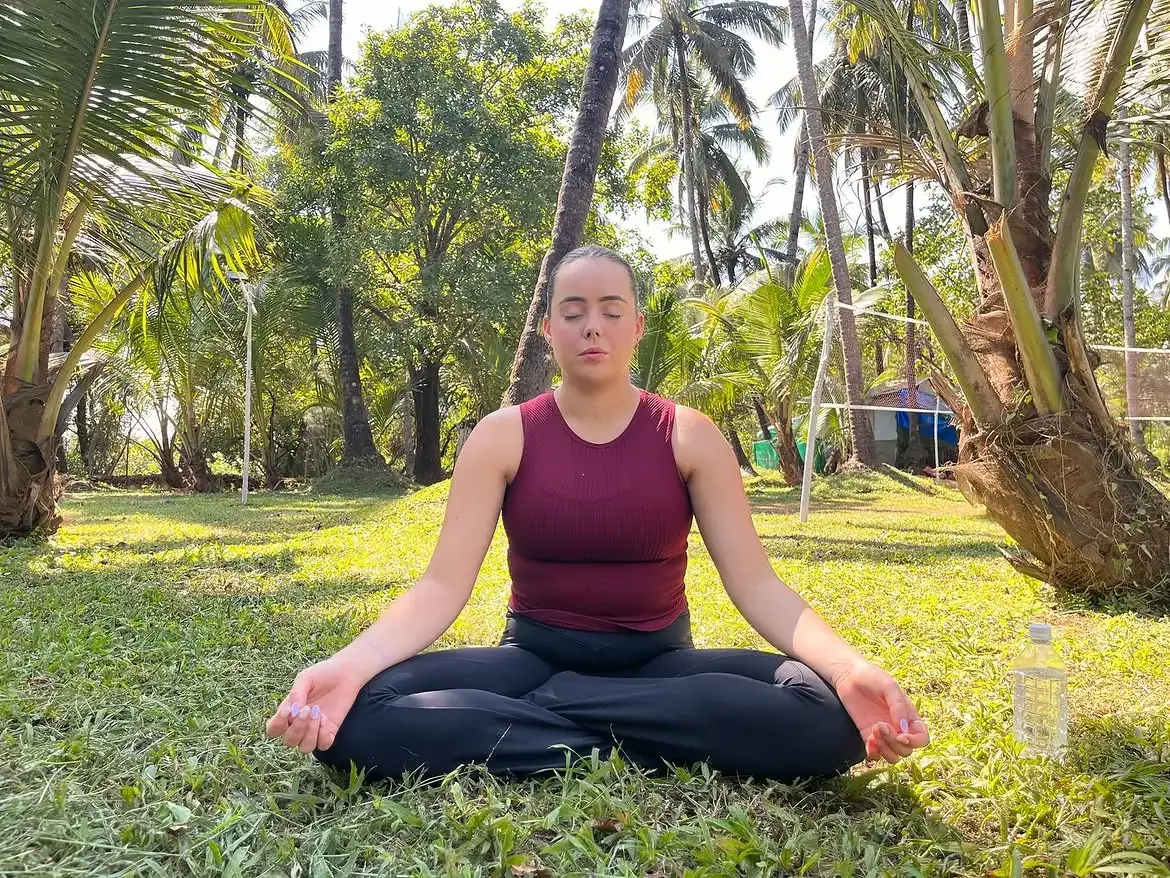
The short answer: presence means noticing what is happening right now, whether it is pleasant or not. Calm may or may not follow. Trying to force calm usually creates tension, so the practice is to let whatever is here be here, and to pay attention kindly.
The common trap
Many people begin meditation or yoga hoping to feel calm, then feel they have failed when they feel restless. This turns a practice of awareness into a performance. Contemplative traditions generally treat calm as something that may arise as a side effect of steady attention, not as the goal to be achieved by effort. Presence includes irritation, boredom and sadness too.
Five simple ways to practise
1. Name it. Silently say "tight" or "worried" or "sleepy", then return to the breath.
2. Anchor in the body. Feel your hands, feet and the surface under you for a few breaths.
3. Single-task for one minute. Drink your tea or wash a cup with full attention.
4. Soften the effort. Notice if you are gripping. Let your jaw, belly and shoulders loosen a little.
5. Return without scolding. When your mind wanders, which it will, simply begin again. The returning is the practice.
Presence in everyday life
- Listen fully during one conversation a day
- Take one slow breath before opening a message
- Look at the sky once a day
- Walk the first minute of a journey without your phone
Our guides on meditation for people who cannot sit still and somatic meditation offer more options.
When practice is difficult
If paying close attention to your inner experience brings distress, shift attention outward: sounds, colours, the feeling of your feet on the floor. Presence practices are not a treatment for anxiety, depression or trauma. If you struggle, please speak to a doctor or qualified professional.
How retreat supports this
On the island, presence is supported by nature, rhythm and a voluntary phone-off culture. Practices are guided, optional and paced progressively, so you are not expected to arrive calm. Sunrise yoga, breathwork and quiet time by the water give many opportunities to practise noticing. See what to expect on your first day.
A two-minute practice
Sit or stand. Take three slow breaths. Name one thing you can see, one you can hear and one you can feel. Ask: what is here right now? Let the answer be whatever it is.
Presence and emotion
Presence does not mean suppressing emotion. When anger, sadness or excitement arise, you can notice where they show up in the body: tight chest, heat in the face, a knot in the stomach. Naming the sensation and breathing with it can make it feel less overwhelming, without needing to analyse the cause. This is a skill that develops with practice, and it is perfectly fine to take a break or seek support if emotions feel too large.
Signs you may be forcing it
You may be forcing calm if you notice clenched jaw or fists, a sense of failing when thoughts arise, constant self-judgment, or an urge to "get it right." In these moments, relax the effort by half. Open your eyes, widen your attention to the whole room, and remind yourself that wandering is part of the process. Gentle curiosity does more than determined concentration.
A practice for difficult moments
When you feel agitated, try the sequence: Stop for a moment. Breathe slowly three times. Notice what is present in body, feelings and thoughts. Choose one small next step. It takes under a minute and can be done in a meeting or on a train. You do not need to feel calm at the end of it, only a little more aware.
Frequently asked questions
Is presence the same as mindfulness?
They are closely related. Both involve paying attention to the present moment.
What if I never feel calm?
That is okay. Calm is not the measure of a good practice.
How often should I practise?
Little and often usually works better than long and rare.
Can presence help with overthinking?
Many people find noticing thoughts, instead of fighting them, makes them feel less sticky. Experiences differ.
Next step
Want guided time to practise presence?
Practice With Us
Take the practice to the island
Short guided days on our private island near Siolim, Goa. Pick your preferred dates, or book a private session for your group.
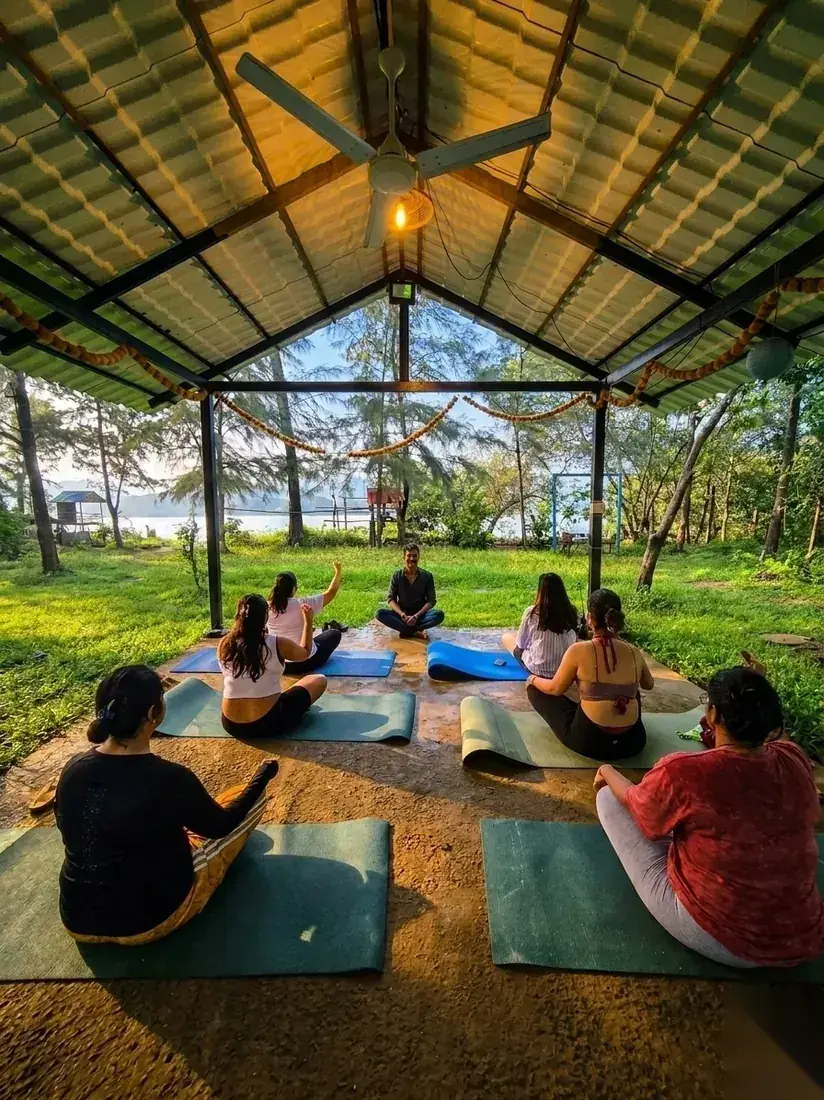
Morning Yoga and Island Breakfast
7:30 am to 10 am · ₹2,222 per person
Begin the day with breath, movement, and a nourishing island breakfast.
See details & book →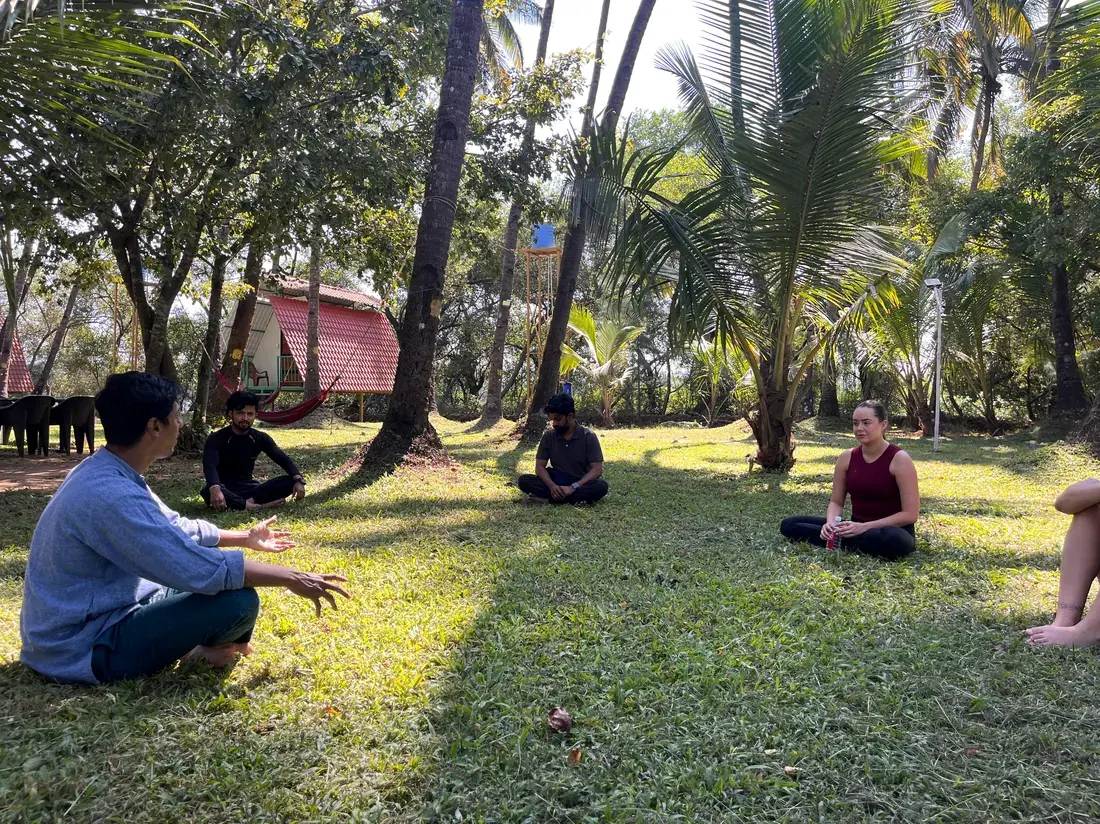
Full-Day Chakra Reset
10 am to 6 pm · Price on request
A full day to move energy, soften the mind, and celebrate being alive.
See details & book →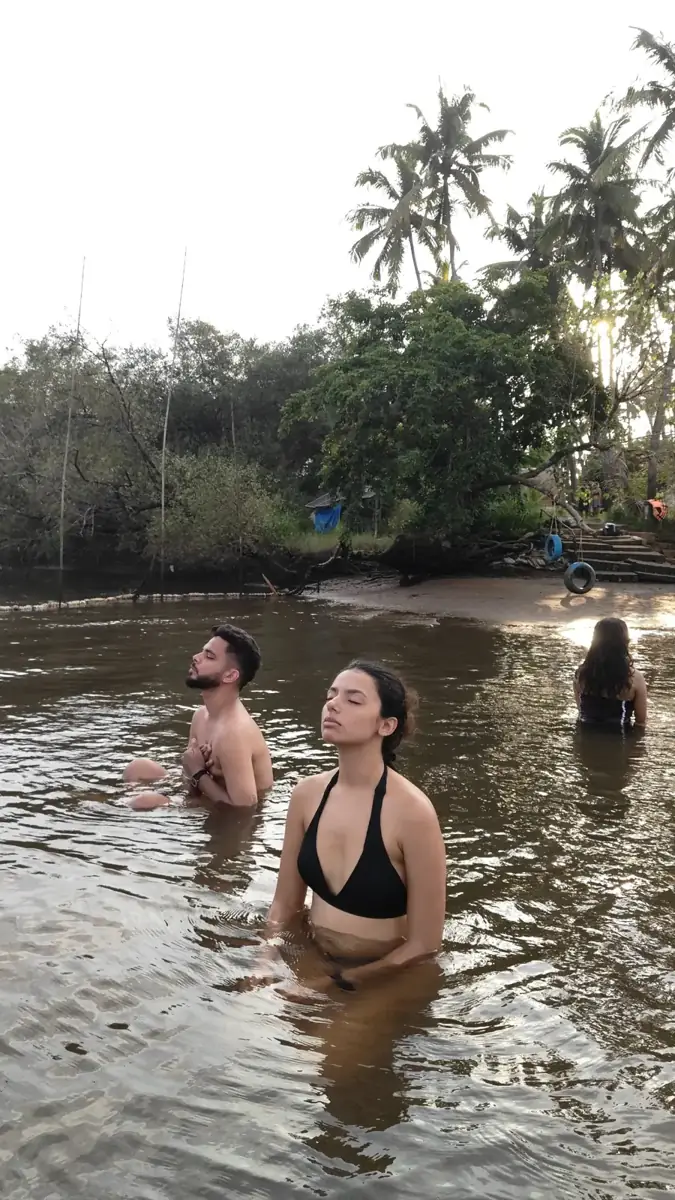
Island Breathwork Reset
4 pm to 7 pm · Price on request
Breathe deeper. Slow down. Come back to yourself.
See details & book →