
The short answer: rest is not the absence of productivity, it is part of what makes attention and energy sustainable. Doing less deliberately, and being still without an agenda, feels uncomfortable for many people at first, which is a sign of how rarely we do it. This article looks at why, and at small ways to practise.
Why stillness feels strange
Many of us have learned to measure worth by output. When we stop, the mind often fills the gap with lists, worries or the urge to check a phone. That restlessness is not a personal failing. It is a habit shaped by constant stimulation. Contemplative traditions, including yoga, have long treated stillness as a skill that is built gradually, not a state you are expected to arrive in.
Three kinds of rest
- Physical rest: sleep, lying down, slowing the body
- Mental rest: stepping away from problem-solving, screens and decisions
- Sensory rest: reducing noise, light and notifications
Most people need all three, and a quiet afternoon with your phone is often rest for the body but not the mind.
What doing less can offer
Many people report that when they stop filling every gap, they notice things sooner: tiredness, a feeling they have been avoiding, a small preference they had overlooked. Rest can make space for reflection, and it can make ordinary tasks feel less urgent. These are common reports, not guaranteed outcomes, and rest is not a substitute for medical care if you are unwell.
Practices to try
- A ten-minute pause with nothing in your hands. No phone, book or music. Sit by a window and let thoughts pass.
- One unscheduled hour a week. Protect it like a meeting.
- Slow meals. Eat without a screen once a day.
- An evening wind-down. Dim lights and put the phone in another room before bed.
- A walk without a destination. Notice what you hear.
Why a retreat setting helps
At home, rest competes with obligations. On a private island with no demands and a voluntary phone-off culture, it becomes the default. At Inward Action, afternoons are intentionally unstructured, every session is optional, and time by the water counts as part of the programme. Our guide to what to expect on the first day explains why arrival is deliberately gentle.
When rest is not enough
If you feel persistently exhausted, low or unable to function, a rest practice is not a replacement for professional support. Please speak to your doctor or a qualified professional.
A gentle weekly rhythm
Rest works better when it is planned. Consider a rhythm like this: one short pause each day, one longer unstructured block each week, and one proper break each quarter, even if it is only a long weekend. Write them in your calendar so they are not the first thing to be sacrificed. Tell people close to you what you are doing, so they can support it.
The role of boredom
Boredom is often the doorway to rest. After a few minutes of doing nothing, the mind usually shows restlessness, then fatigue, and sometimes a surprising calm or a flash of creative thought. If you can sit through the restlessness without reaching for your phone, you often find something quieter on the other side. This is a common pattern, not a promise, and it takes patience.
Rest and yoga
Yoga has its own traditions of rest. Many classes end with a long, supported relaxation, often called savasana, which is considered as important as the active poses. Slow practices and restorative postures treat rest as skilled work. You can read more in our guide to Hatha versus Vinyasa yoga to see which style gives rest more space.
What guests often do with unstructured time
On retreat, people read, nap, journal, paddle or sit by the water. Some find the first afternoon of free time uncomfortable and then grow to value it. There is no right way to use it, and the team will not ask you to account for it.
Frequently asked questions
Is doing nothing a waste of time?
Not necessarily. Many people find that regular rest improves focus and mood, although experiences differ.
Why do I feel guilty when I rest?
Guilt often comes from learned beliefs about productivity. Noticing it without obeying it is part of the practice.
How long should I rest each day?
There is no fixed number. Even ten deliberate minutes can help, and longer stretches on weekends are worth protecting.
Is rest the same as meditation?
No, but they overlap. Meditation is a trained attention practice, while rest can simply be being undisturbed.
Next step
Curious what unhurried days look like on the island?
Practice With Us
Take the practice to the island
Short guided days on our private island near Siolim, Goa. Pick your preferred dates, or book a private session for your group.
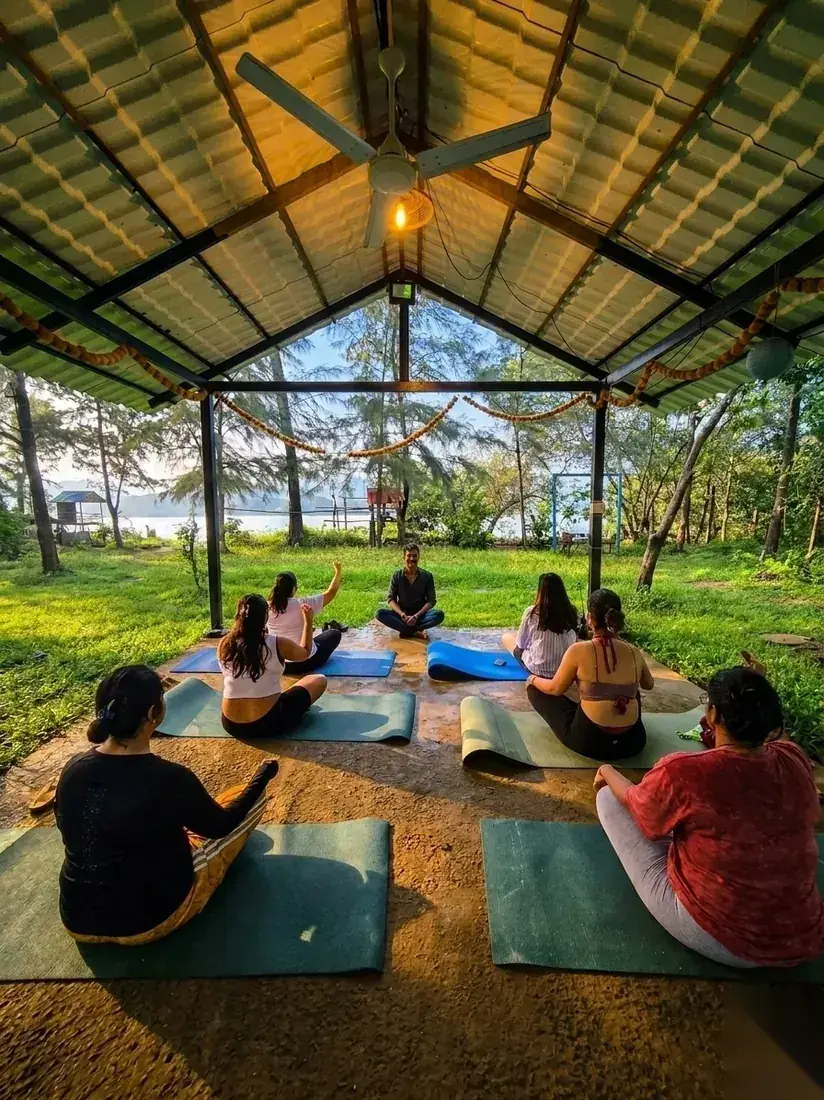
Morning Yoga and Island Breakfast
7:30 am to 10 am · ₹2,222 per person
Begin the day with breath, movement, and a nourishing island breakfast.
See details & book →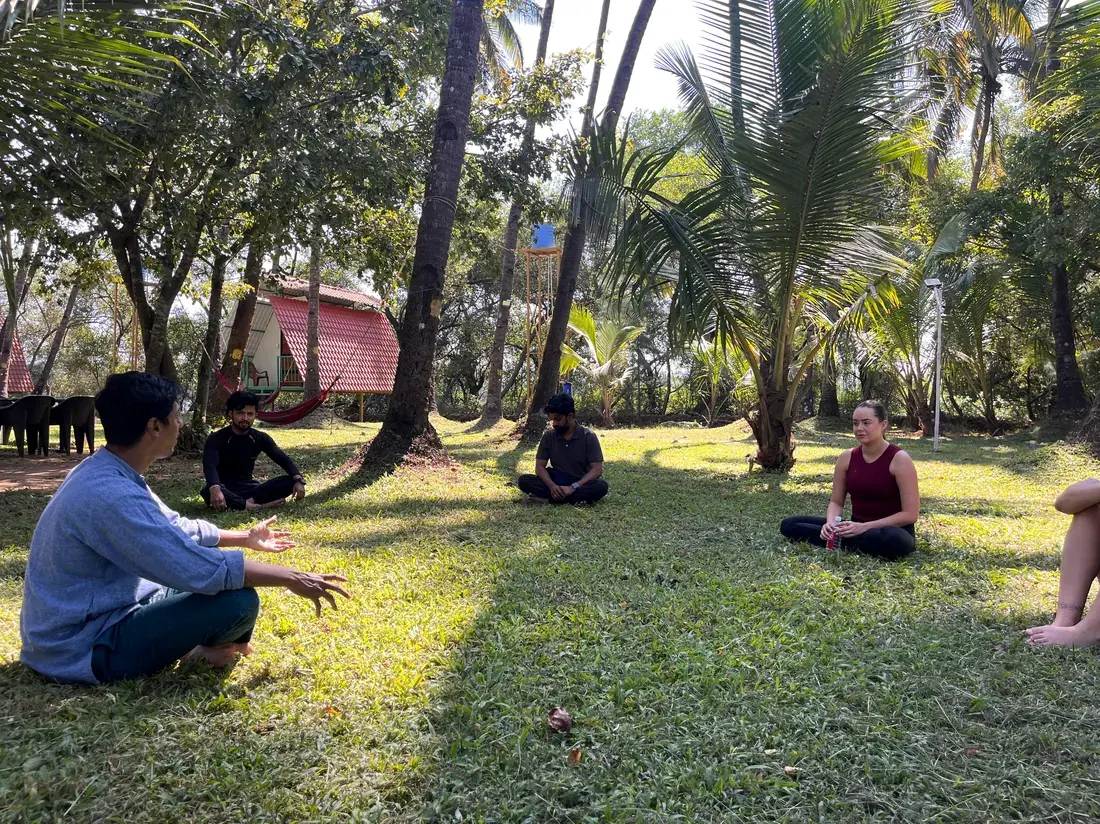
Full-Day Chakra Reset
10 am to 6 pm · Price on request
A full day to move energy, soften the mind, and celebrate being alive.
See details & book →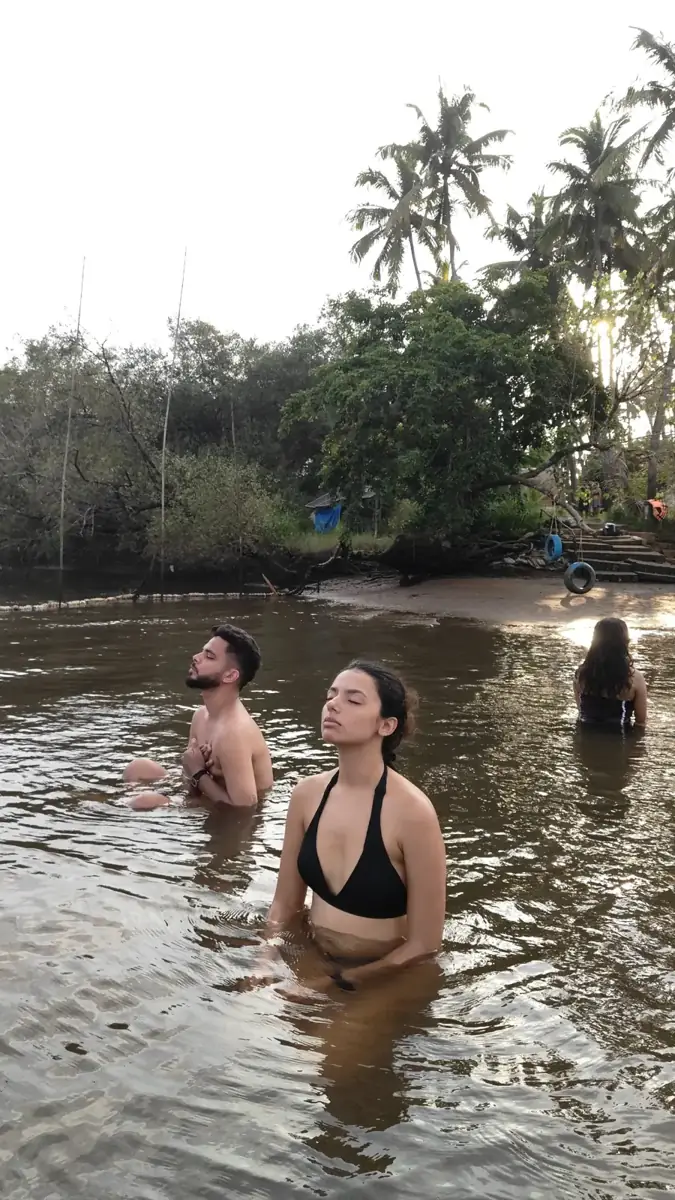
Island Breathwork Reset
4 pm to 7 pm · Price on request
Breathe deeper. Slow down. Come back to yourself.
See details & book →