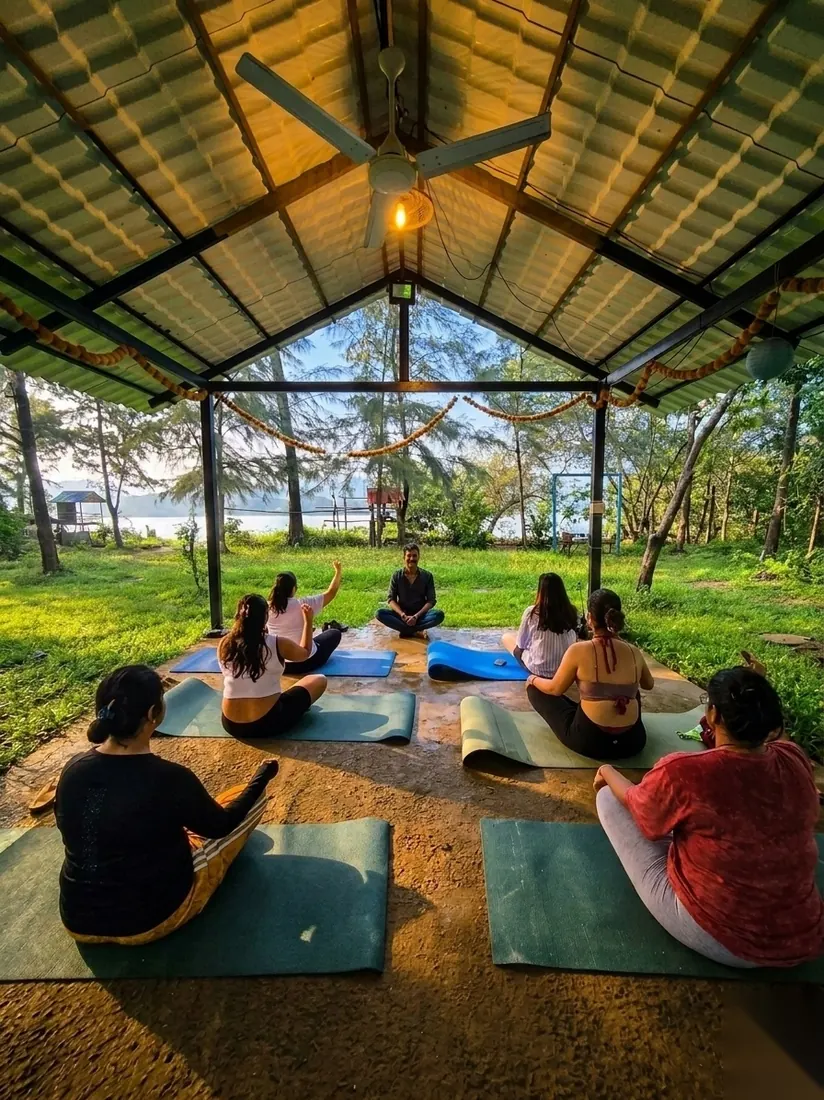
The short answer: body awareness is the habit of noticing what your body is doing while you work, and you can build it in one-minute pauses. You do not need a mat, a quiet room or a free hour. You need a few reminders during the day and a willingness to notice before you try to change anything.
Why professionals lose touch with the body
Long days of screens, meetings and notifications pull attention upward into thought. Shoulders rise, the jaw sets, breathing becomes shallow, and many people only notice when they feel discomfort or exhaustion. Body awareness practices, sometimes called somatic or interoceptive practices, are simply ways of redirecting attention back to physical sensation. They are not a medical treatment, and they are not about relaxing on command. They are about noticing, which is often the first step towards choosing what to do next.
Five practices that fit into a working day
1. The one-minute scan. Between tasks, close your eyes or soften your gaze. Move attention slowly from your feet to the top of your head, noticing contact, temperature, tension. Do not fix anything yet.
2. Three slow breaths. Breathe in through the nose for a count of four and out for a count of six, three times. Notice where the breath moves: belly, ribs, chest.
3. The jaw and shoulder check. Ask: is my jaw clenched? Are my shoulders near my ears? Let them drop on an exhale.
4. Feet on the floor. While seated, press both feet into the ground and notice the pressure. This is a quick way to bring attention out of thought and into sensation.
5. A walking pause. On the way to a meeting, walk slowly for ten steps, feeling each heel and toe land.
How to make it stick
- Anchor the practice to something you already do: before opening email, after a call, when the kettle boils
- Set two or three gentle reminders rather than ten
- Start with one practice for a week
- Treat missing a day as normal and simply begin again
Who it helps and who should be careful
These practices suit most people. If paying attention to the body feels uncomfortable or brings up distressing feelings, stop and shift attention to something external, such as the sounds in the room. If you have a history of trauma, a chronic pain condition or a health concern, speak to your doctor or a qualified professional before doing extended body scans. Nothing here treats any condition.
What a retreat adds
At Inward Action, body awareness shows up in sunrise yoga, breathwork and guided practices on the island, with time and quiet that a working day rarely allows. The voluntary phone-off culture makes noticing easier because fewer things compete for attention. Every session is optional. If you are curious about the breath side, our guide on breathwork versus pranayama is a good next read, as is what somatic meditation is.
A simple daily checklist
- One body scan before work
- Three slow breaths before a difficult conversation
- A jaw and shoulder check each time you sit down
- A short walk without your phone
- A two-minute scan before sleep
A longer practice for the weekend
When you have fifteen minutes, try a slower version. Lie on your back or sit in a supported position. Begin by noticing the contact points: heels, calves, hips, back, head. Spend about a minute on each region from the feet upward, asking only "what is here?" Where you find tension, imagine breathing gently towards it without trying to force release. Finish by rolling to one side and resting for a few breaths before sitting up. If lying down makes you drowsy, sit instead.
Common obstacles
"I forget." Link the practice to a trigger such as opening your laptop. "I feel silly." Nobody can see you noticing your breath. "I only notice pain." That is common when you start. Pain is information, not a failure, and pleasant or neutral sensations become easier to find with time. If pain is sharp, persistent or worrying, see a doctor instead of trying to breathe through it.
How body awareness supports other practices
Noticing the body is the foundation for most of what happens in yoga and breathwork. It helps you tell the difference between a stretch and a strain, and between tiredness and restlessness. It also makes seated practice easier, because you recognise sooner when the mind has wandered and the body has tensed. Many guests find that after a few days of guided practice, they carry a quiet habit of checking in that continues at their desk.
Frequently asked questions
Is this the same as meditation?
It overlaps. Body awareness is a form of attention practice, and it can be done in short bursts without formal sitting.
How long until I notice a difference?
Experiences vary. Many people notice small changes in how often they catch tension within a couple of weeks, but we cannot promise a specific outcome.
Can it help with stress?
Many people find paying attention to breath and body helps them feel steadier. It is a supportive habit, not a treatment for stress-related conditions.
What if I cannot feel anything?
That is common at first. Keep the practice short and curious, and sensation tends to become easier to notice.
Next step
Want a longer stretch of undistracted time to practise?
Practice With Us
Take the practice to the island
Short guided days on our private island near Siolim, Goa. Pick your preferred dates, or book a private session for your group.
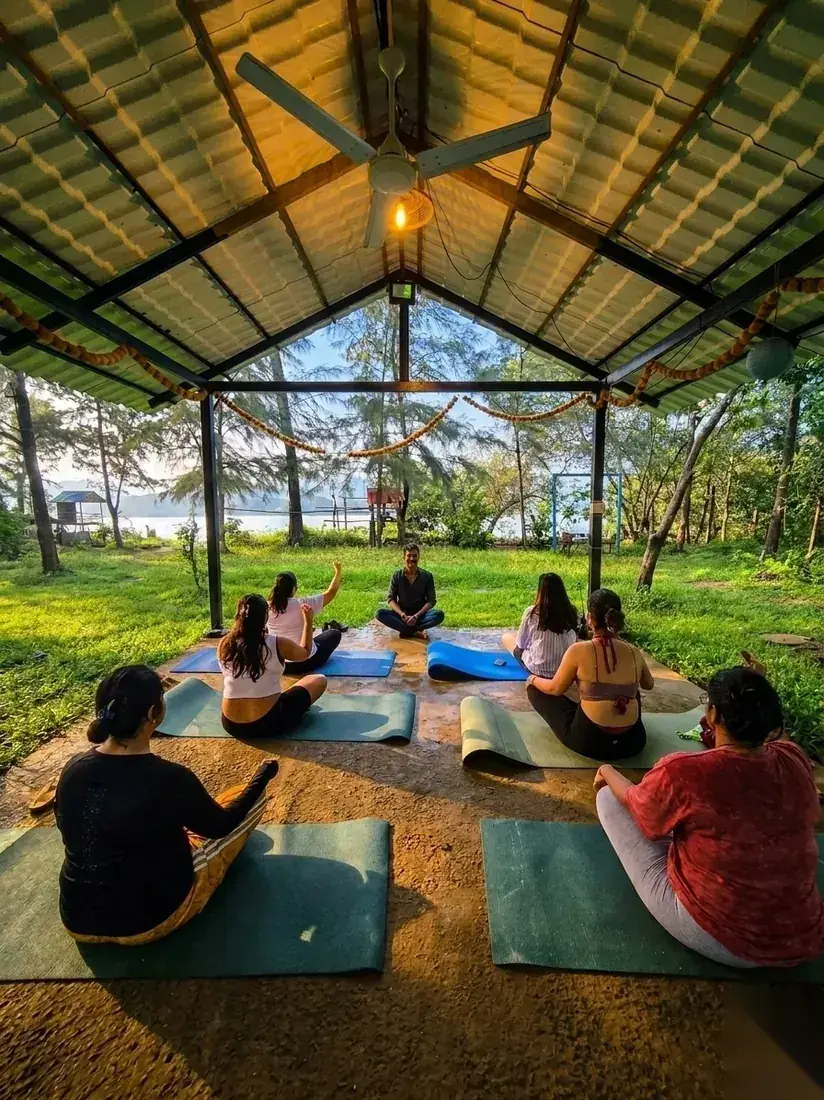
Morning Yoga and Island Breakfast
7:30 am to 10 am · ₹2,222 per person
Begin the day with breath, movement, and a nourishing island breakfast.
See details & book →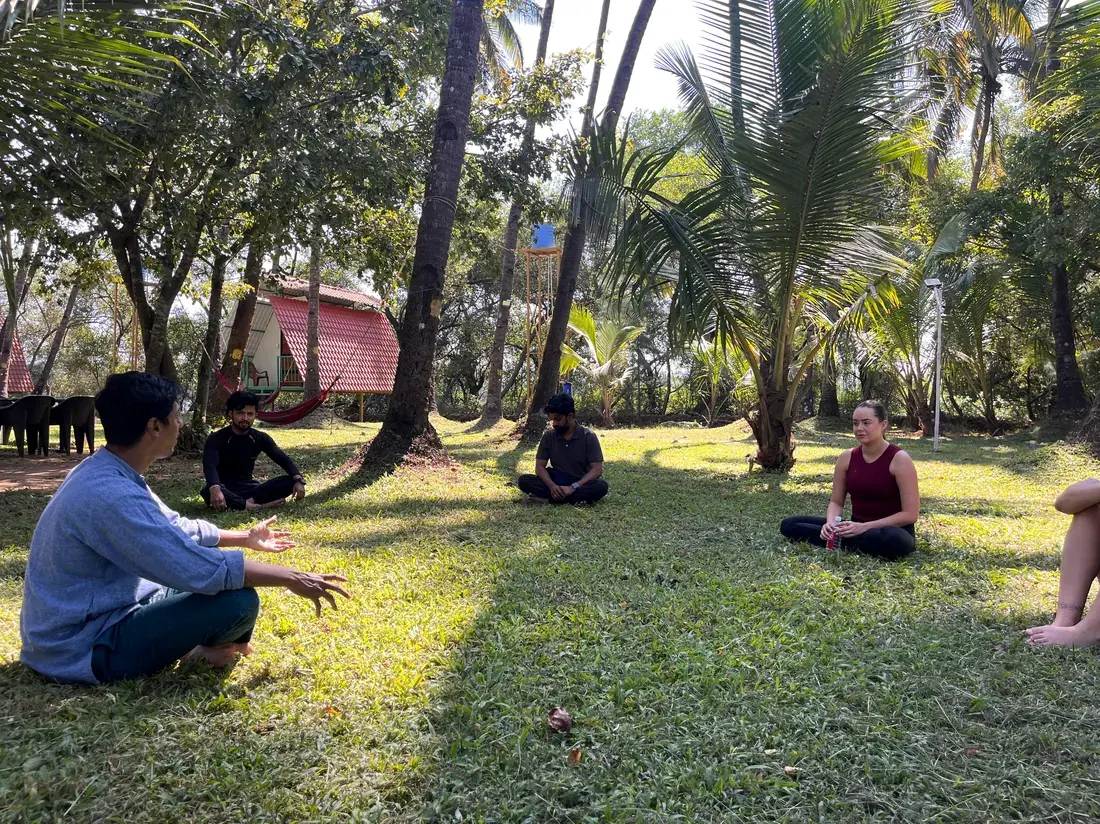
Full-Day Chakra Reset
10 am to 6 pm · Price on request
A full day to move energy, soften the mind, and celebrate being alive.
See details & book →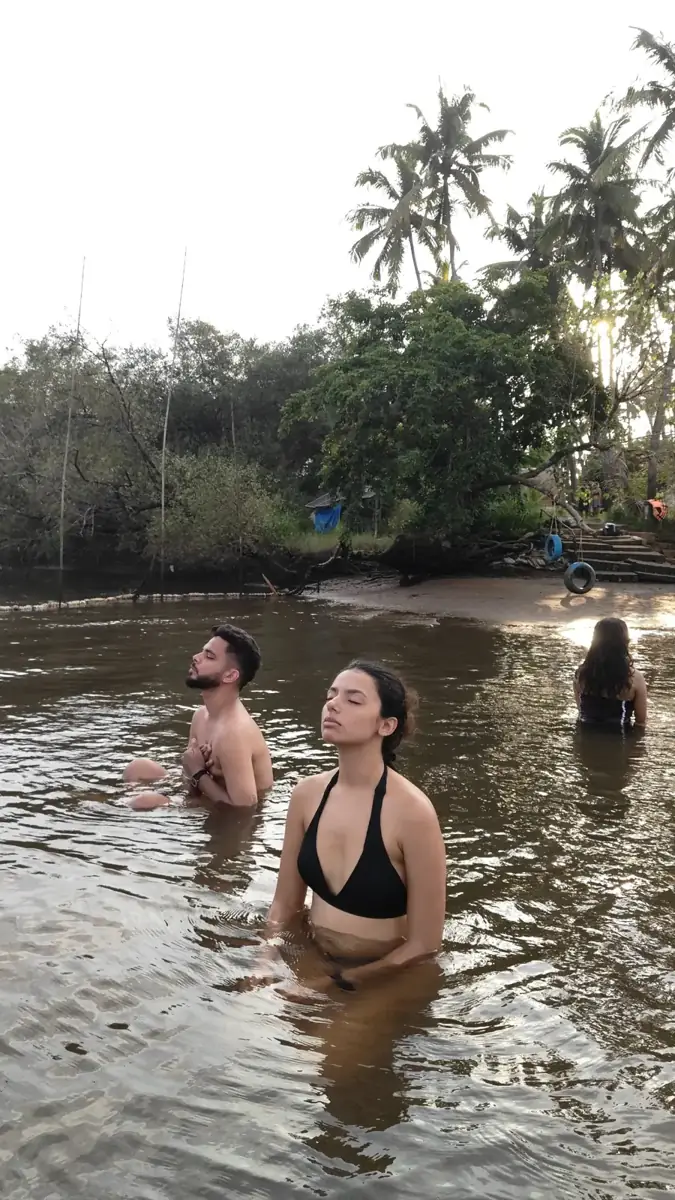
Island Breathwork Reset
4 pm to 7 pm · Price on request
Breathe deeper. Slow down. Come back to yourself.
See details & book →