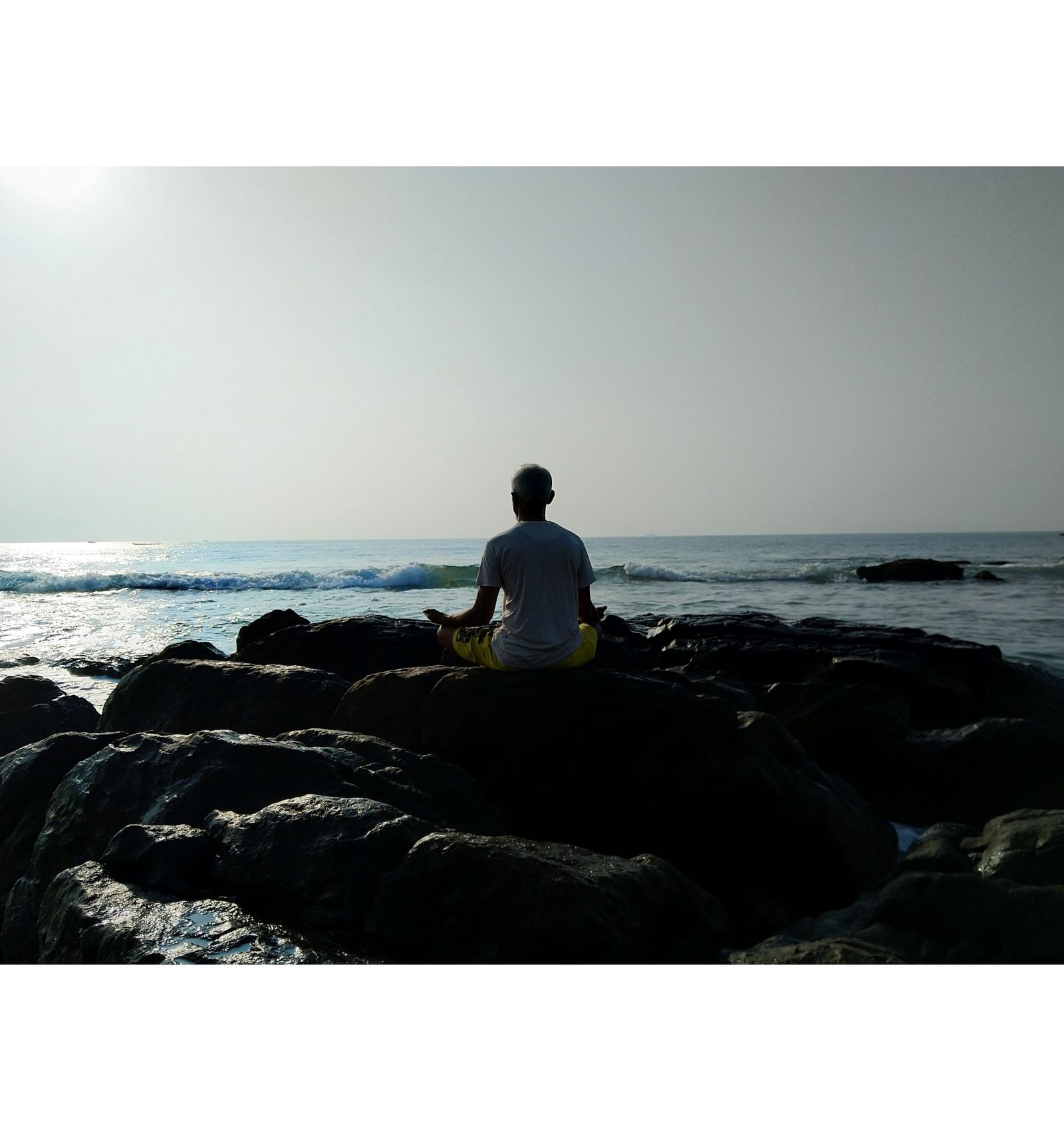
"I'm not flexible enough for yoga" is one of the most common reasons people avoid starting, and it rests on a backwards assumption. Flexibility is something yoga practice develops over time — it's a result, not an entry requirement.
Why this misconception is so common
Yoga imagery — on social media, in studio marketing, even on some retreat websites — disproportionately features advanced practitioners in deep, impressive postures. This creates a skewed picture of what yoga actually looks like for the vast majority of practitioners, who spend most sessions working with far more modest ranges of motion.
What actually happens with an inflexible body
Every pose has accessible variations. A forward fold with straight legs and fingertips far from the floor is still a complete, legitimate practice of that posture — you don't need to touch your toes for it to count. Props (blocks, straps, a folded blanket) exist specifically to meet the body where it currently is, not as beginner training wheels to graduate away from.
Why comparison is the real obstacle, not stiffness
Most of the discomfort beginners feel isn't physical — it's the mental experience of comparing their current range of motion to someone else's, whether a teacher, another student, or an image they've seen online. A genuinely good class or retreat session removes this pressure explicitly, but it's worth naming directly: your body's current flexibility has no bearing on whether you're "doing yoga correctly."
What tends to improve, and on what timeline
With consistent practice, most people notice some increase in range of motion within a few weeks, with more substantial changes over months. But flexibility is also not the main point of the practice — breath awareness, body awareness, and mental stillness develop alongside it and arguably matter more for most people's actual goals in starting yoga.
Practical advice for an inflexible beginner
- Use props without hesitation — a block under your hand in a forward fold isn't cheating, it's the pose
- Expect your range of motion to vary day to day, sometimes significantly — this is normal, not a sign of regression
- Focus attention on breath and sensation rather than how a pose looks
- If a teacher offers a choice of variations, take the most accessible one without self-judgment
What to expect at a retreat specifically
Retreat sessions, especially ones framed around sunrise practice and accessibility, are built for a mixed group of experience levels from the start. Nobody is tracking or comparing flexibility across the group, and a Hatha-influenced, slower-paced morning practice (as described in sessions here) is specifically chosen because it accommodates a wide range of physical starting points without anyone needing to modify dramatically.
Ready When You Are
Curious what a beginner-accessible practice actually looks like? See Hatha vs. Vinyasa yoga or explore the 3-Day Island Reset.