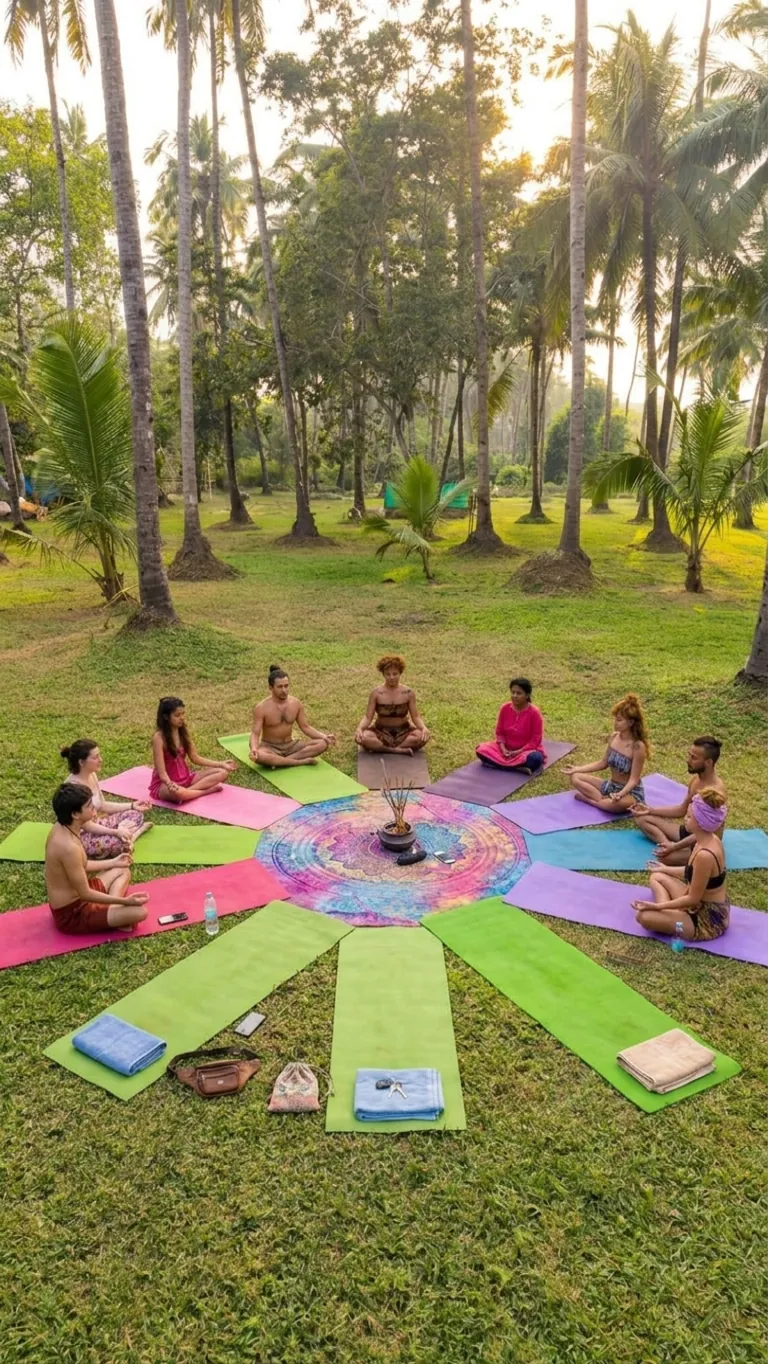
The short answer: chakra cleansing is a contemplative practice that works through the seven traditional energy centres, the chakras, using guided meditation, breath and gentle movement. It is a reflective framework drawn from yogic tradition, not a medical treatment. Think of it as a structured way to pay attention to different areas of your inner life, one at a time.
The seven centres, briefly
Tradition maps seven centres from the base of the spine to the crown of the head. Each is associated with a theme:
- Root (Muladhara): grounding, stability, a sense of safety
- Sacral (Svadhisthana): creativity, emotion, pleasure
- Solar Plexus (Manipura): confidence, personal power
- Heart (Anahata): love, connection, compassion
- Throat (Vishuddha): communication, honesty
- Third Eye (Ajna): intuition, clarity
- Crown (Sahasrara): a sense of connection to something larger than yourself
These associations are symbolic. They are a vocabulary for reflection that practitioners have used across many centuries, not statements about verified physiology.
Tradition and modern science: being upfront
It is worth being clear about what the evidence does and does not say. The chakra system is a traditional, symbolic map. Some modern writers draw loose parallels between the centres and regions of the body, such as the nerve plexuses along the spine or certain glands, but these comparisons are interpretive and are not established science. We do not claim that chakras are physical structures, that they can be measured, or that cleansing them has any proven effect on your health. We offer the practice as a lens for reflection, which you are free to hold lightly.
What a workshop feels like
Nothing clinical or performative. A typical session moves through each centre in sequence, using sound, breath and guided visualisation. At Inward Action, chakra cleansing is practised as a form of sound healing without instruments, so the sound comes from the group and the facilitator rather than from bowls or gongs. The facilitator explains each centre as the group reaches it, so beginners and experienced practitioners can follow the same session. There is no equipment and no preparation needed.
Many guests describe the experience as calming, and some find that the sequence prompts useful reflection about patterns in their emotions and body. That is a personal report, not a guaranteed outcome.
Who tends to get the most from it
- People curious about self-reflection frameworks
- Anyone going through a period of change who wants structured time to think
- Guests who like a calm, seated, guided practice
- Beginners, since the session requires no background
Who it may not suit
- People looking for a physical workout
- Anyone who finds symbolic frameworks unhelpful. If that is you, you can still enjoy the quiet meditation without engaging with the symbolism.
- Anyone expecting a treatment for a medical or psychological condition
What it is not
Chakra cleansing is not a treatment for anxiety, depression or any other condition, and no responsible facilitator will present it as one. If you are struggling with your health or mental wellbeing, please speak to your doctor or a qualified professional. The practice is a complement to that support, never a replacement for it.
Why people find a framework helpful
Reflection is easier with a structure. Asking "how am I, in general?" tends to produce a vague answer, while asking seven specific questions about stability, feeling, confidence, connection, expression, insight and meaning produces more concrete ones. Whether or not you accept the energetic idea behind the chakras, the sequence works as a prompt, and that is the main reason many people value it.
A checklist for your first session
- Wear loose, comfortable clothing
- Come with curiosity rather than expectations
- Bring a journal if you like to write afterwards
- Mention any health concerns beforehand
- Treat anything you notice as information, not a verdict
Taking the practice home
You do not need a retreat to use the idea. A simple version is a short daily check-in: sit quietly for a few minutes, and move your attention slowly from the base of the spine to the crown, asking one gentle question at each point. How steady do I feel? What am I feeling? What do I want to say? Notice the answers without trying to fix them, and write a line or two in a journal.
Some people pair this with slow breathing or a few minutes of stretching. Others use only one centre at a time, for example spending a week on grounding. There is no correct method, and the aim is simply to build the habit of noticing yourself. If a practice ever feels distressing, stop and return to ordinary breathing.
How it fits the retreat
At Inward Action, chakra cleansing is one of several optional sessions alongside sunrise yoga, breathwork, Kundalini activation, sound healing and the Full Moon ritual. Nothing is mandatory. Individual chakras are explored in more depth in our posts on root chakra practices and heart chakra meditation.
How booking works
Booking is invitation-led. You request an invitation, a seat is held for 24 to 48 hours, you have a call with the team, and a deposit confirms your place.
Frequently asked questions
Do I need to believe in chakras?
No. You can treat the session as guided meditation and reflection.
Is it scientifically proven?
No. It is a traditional framework, and we do not claim it is a verified medical model.
Can chakra cleansing treat anxiety or illness?
No. It is not a medical treatment. See a doctor or qualified professional for health concerns.
Is it suitable for beginners?
Yes. No experience or equipment is needed.
Is chakra cleansing a form of sound healing?
At Inward Action, yes. We practise chakra cleansing as a form of sound healing without instruments, moving through the seven centres with sound and breath. It is a contemplative practice, not a medical treatment.
Next step
Want to see how chakra work sits alongside the other practices? Explore the pillars or check available dates.
Practice With Us
Take the practice to the island
Short guided days on our private island near Siolim, Goa. Pick your preferred dates, or book a private session for your group.
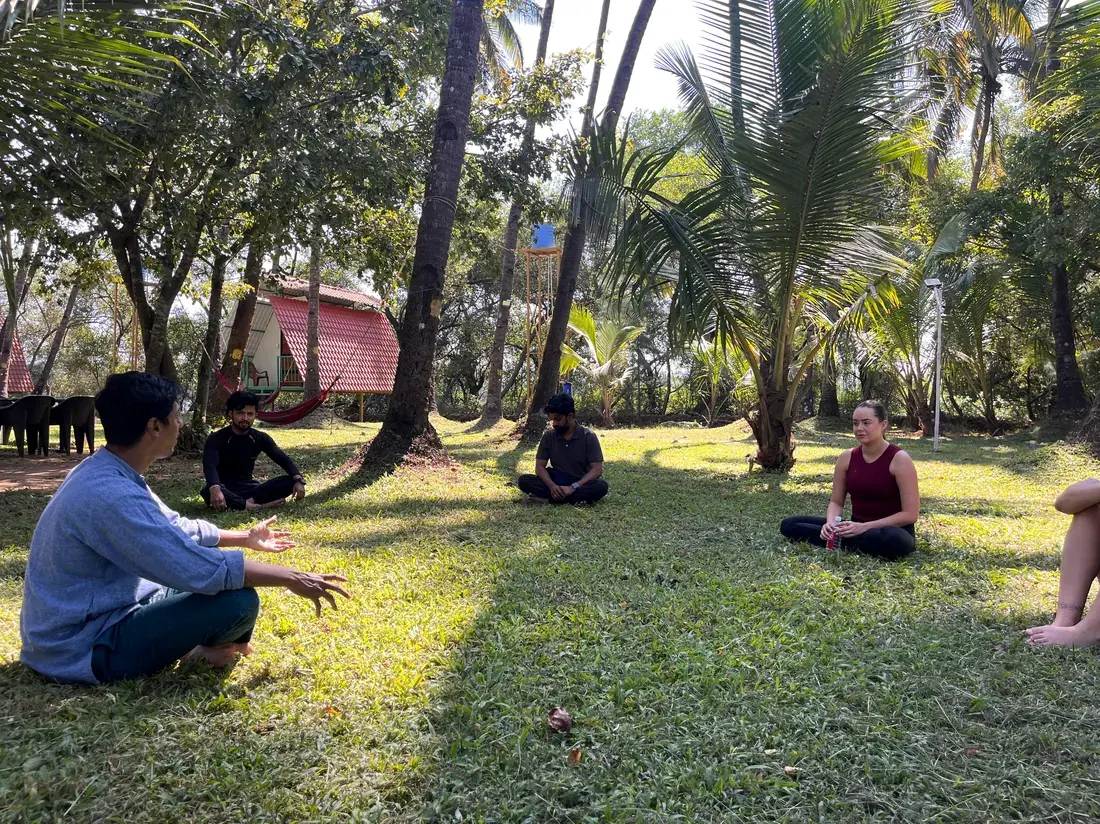
Full-Day Chakra Reset
10 am to 6 pm · ₹5,555 per person
A full day to move energy, soften the mind, and celebrate being alive.
See details & book →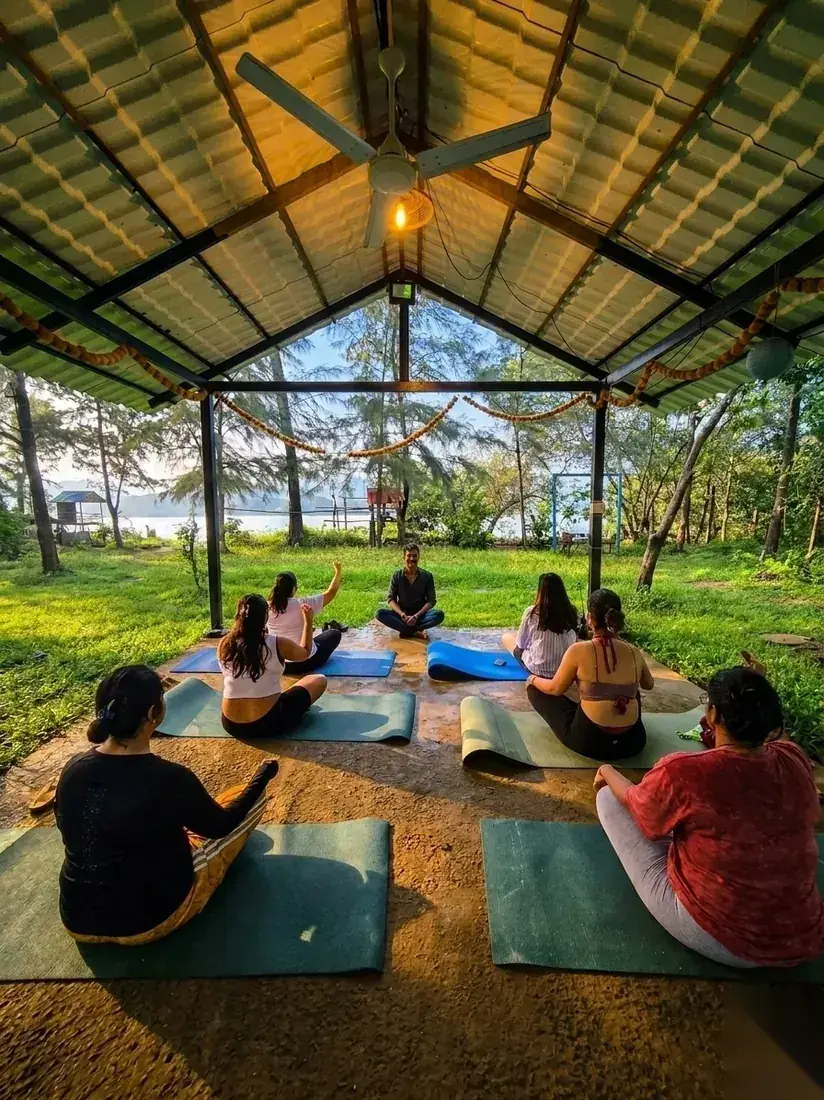
Morning Yoga and Island Breakfast
7:30 am to 10 am · ₹2,222 per person
Begin the day with breath, movement, and a nourishing island breakfast.
See details & book →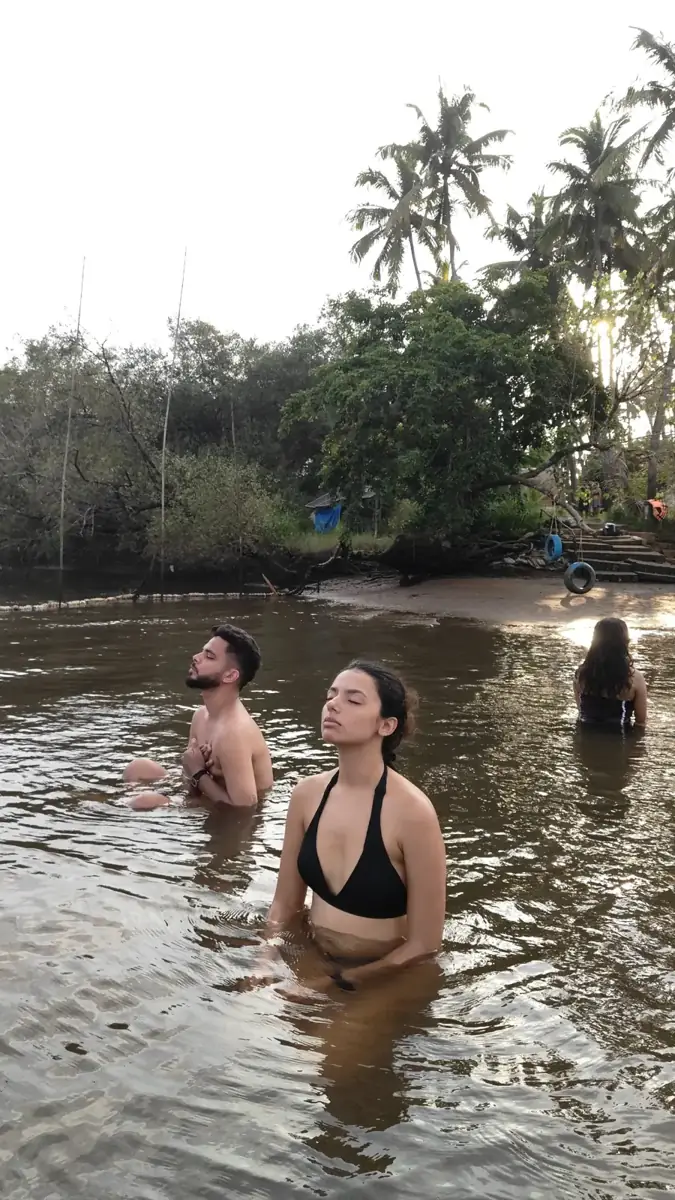
Island Breathwork Reset
4 pm to 7 pm · ₹4,444 per person
Breathe deeper. Slow down. Come back to yourself.
See details & book →