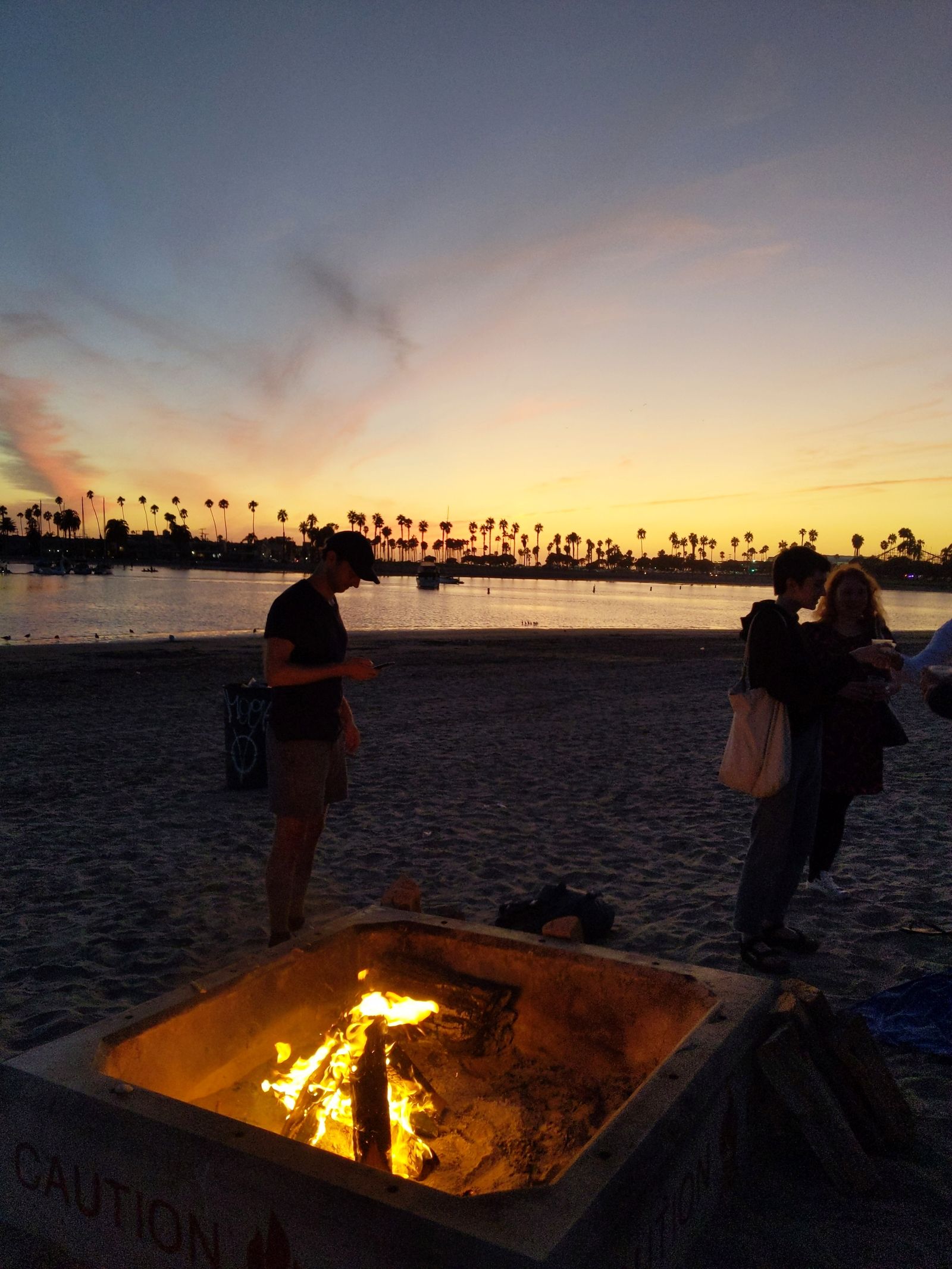
A retreat could end quietly — a final yoga session, a group photo, everyone packing up and heading home. Instead, most well-designed retreats end with something deliberately shared and ceremonial. That choice isn't decorative; it reflects something specific about how groups process an experience together.
Individual reflection and shared ritual do different things
Solo journaling or meditation is genuinely valuable, but it processes an experience privately, inside your own head. A shared ritual does something different: it lets a group that has spent days together — sharing meals, practices, and conversation — mark the end of that shared experience collectively, rather than each person quietly closing their own chapter in isolation.
What a group actually gains from closing together
- Witnessed transformation. There's a different quality to release when it happens in front of (or alongside) people who've shared the same days as you, versus processing it entirely alone afterward.
- A sense of completion for the group itself, not just for each individual — the retreat had a beginning as a group and gets an ending as one too.
- Permission through modeling. Watching others move through the ritual — dancing, sitting with emotion, participating fully or quietly — often makes it easier for more reserved participants to engage than they would on their own.
- A concrete, shared memory. A private, individual reflection is real but often fades faster than an experience anchored by a specific shared moment — the fire, the group, the specific night.
Why the Full Moon specifically, rather than just "the last day"
Timing the ritual to an actual astronomical event — the moon at its fullest — adds a layer beyond the group's internal schedule. It ties the ending to something happening in the wider world, not just the retreat's own itinerary, which tends to make the closure feel less arbitrary and more like it's part of something larger than the group alone.
Does this work if you're naturally private or introverted?
Yes — nothing about the ritual requires public sharing or performance. You can participate fully in the ceremony's structure (sitting in the circle, being present for the fire, joining the meditation) while keeping your internal reflection entirely private. The shared container doesn't require shared disclosure.
What this means for how retreats are actually structured
Understanding this is part of why Inward Action builds every retreat length toward the same closing night, rather than treating the ritual as an optional add-on. The structure of the days leading up to it — breathwork, chakra work, kundalini activation, sound healing — is designed specifically to prepare the group for that shared close, not as unrelated standalone sessions.
Ready When You Are
See how each retreat length builds toward the closing ritual or request the Signature Itinerary for the full day-by-day arc.