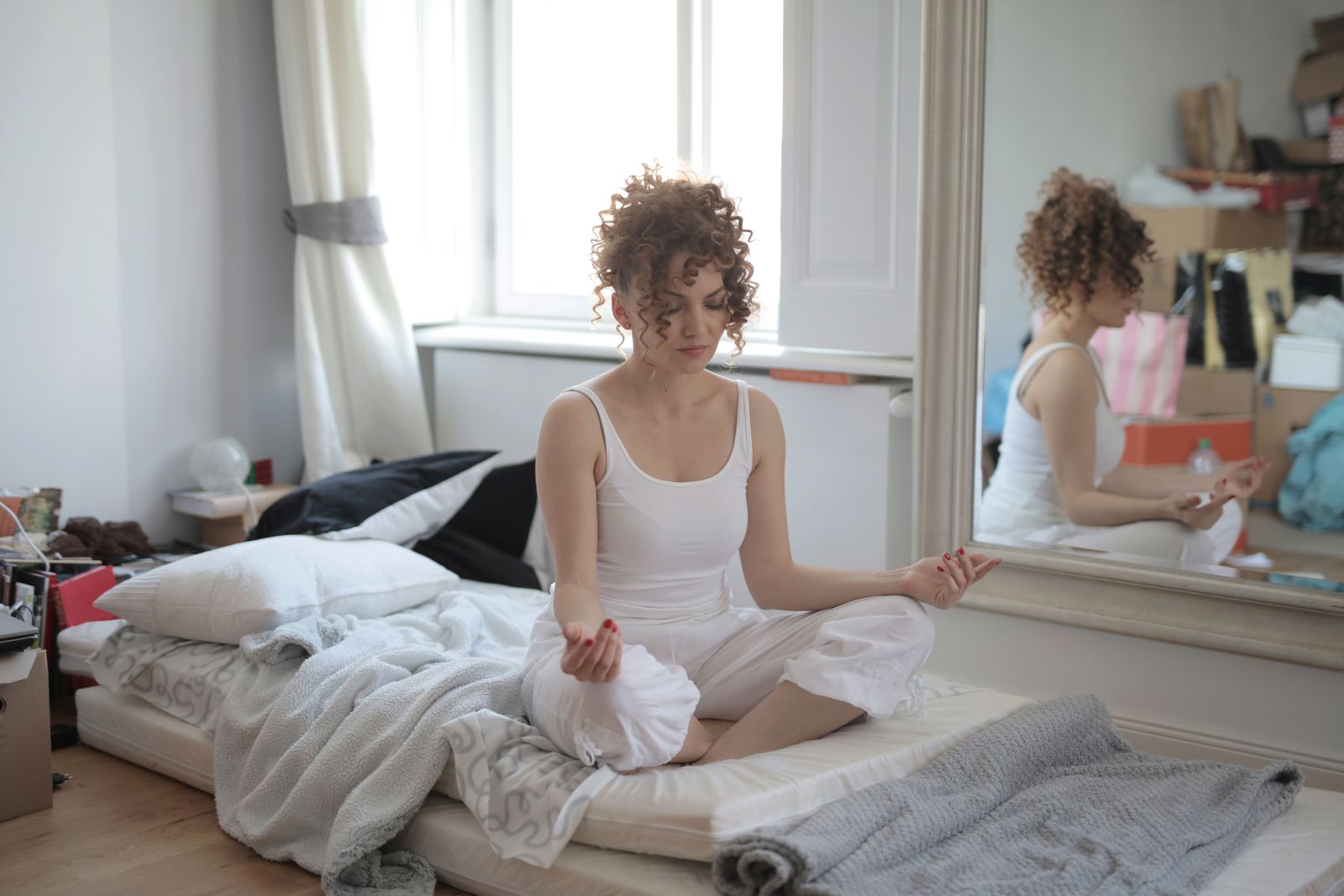
A Full Moon beach meditation is less about achieving a particular mental state and more about the setting doing quiet work on you — sand underfoot, open sky, the sound of water, and moonlight instead of any artificial source of light. Here's what the experience actually involves.
Setting the scene
The meditation typically happens as part of the broader Full Moon ritual, either just before or woven into the fire ceremony itself. You're seated or lying on sand, usually in a loose circle or scattered arrangement rather than rows, with the moon and open water as the primary backdrop. There's no artificial lighting beyond the fire — your eyes adjust to moonlight, which changes how the whole environment feels compared to an indoor session.
How the meditation is typically guided
A facilitator usually leads with a short settling period — attention to breath, noticing the sounds around you (waves, wind, the fire if it's already lit) — before moving into a more directed visualization, often centered on release or reflection. Guidance tends to be sparse rather than constant; there are usually long stretches of quiet where you're simply sitting with your own thoughts, the moonlight, and the sound of the water.
The sensory experience
- Sound: waves, wind, the occasional crackle of fire, and comparative silence from the group itself
- Light: moonlight rather than artificial light — noticeably different from an indoor meditation, and part of why this specific setting is used rather than a studio
- Physical sensation: sand, open air temperature (often cooler than daytime, sometimes a light breeze), and the general absence of the physical constraints of an indoor space
What people commonly experience
Some describe a strong sense of calm they don't get from indoor meditation; others notice their mind wandering more than expected, particularly if they're not used to sitting with true quiet. Both are normal — a beach meditation isn't inherently "deeper," just different, and what you get from it varies night to night as much as person to person.
Practical things to know beforehand
- Dress for cooler evening air, even if the day was warm
- Sand can be uncomfortable for extended sitting — a light cushion or towel helps, if available
- No specific meditation experience or posture is required — sitting, lying down, or resting against something are all fine
- If your mind wanders constantly, that's not a failure of the practice — noticing the wandering and gently returning attention is, itself, the practice
Ready When You Are
Want to experience a guided Full Moon meditation firsthand? Join the next Full Moon Gathering or see how it fits into a multi-day retreat.