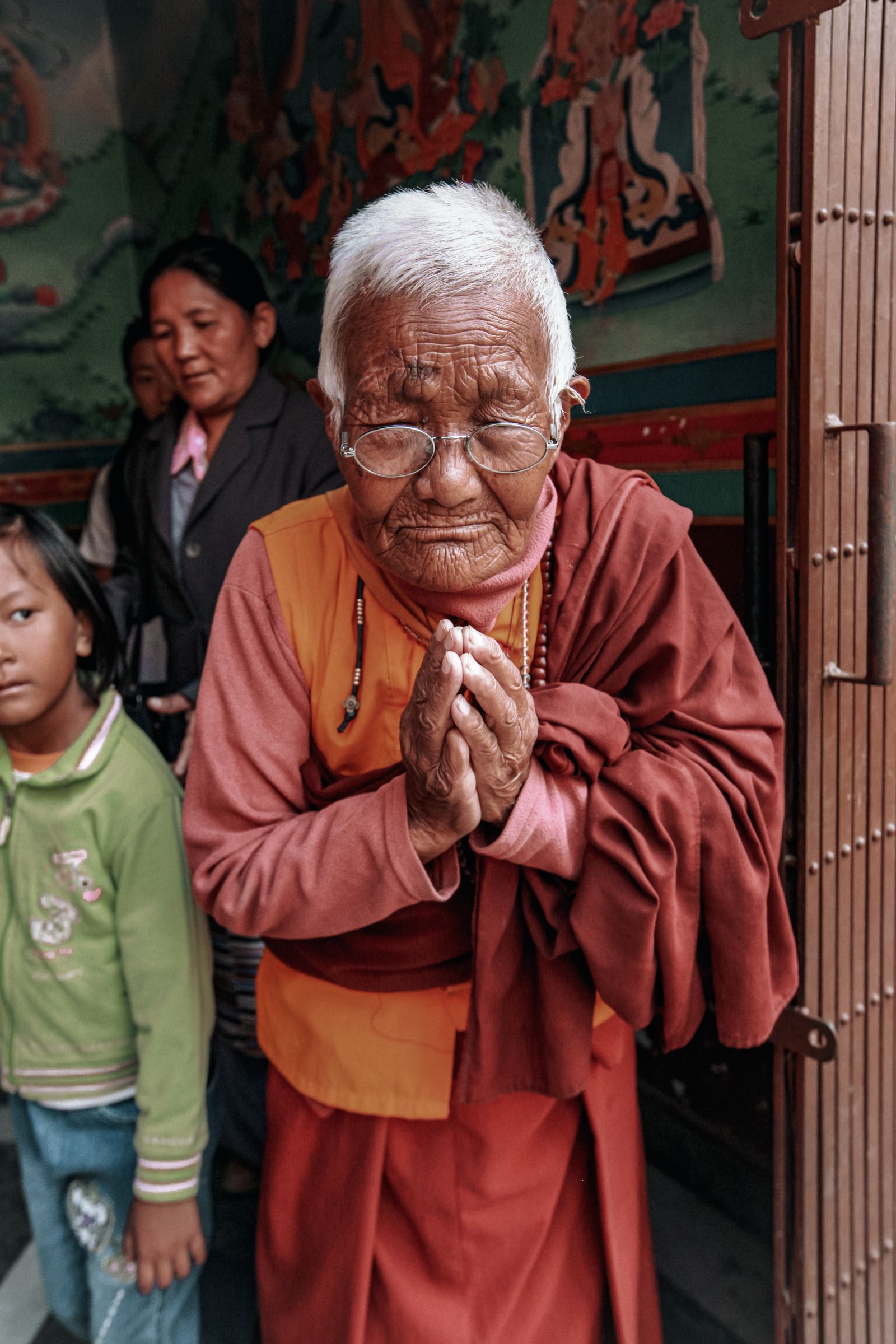
Bhakti Yoga is the path of devotion — traditionally, devotion to a personal deity, expressed through chanting, prayer, and ritual worship. For people outside that specific religious framework, the word "devotion" can feel like it doesn't apply. But the underlying practice is more flexible than the traditional description suggests.
What devotion means beyond a specific deity
At its core, Bhakti is about surrendering the small, controlling ego to something larger and trusted — traditionally framed as a god, but functionally similar to devoting yourself fully to a practice, a cause, a piece of art, or simply the present moment, with the same wholehearted quality that religious devotion traditionally carries. The object of devotion matters less than the quality of surrender and full-heartedness involved.
Why devotion is a genuine practice, not just a feeling
Bhakti isn't passive — it's an active practice of cultivating devotional feeling through repeated ritual: chanting (kirtan), prayer, physical gestures of surrender (like bowing or prostration), and community worship. The repetition itself trains the capacity for surrender, the same way physical practice trains the body.
What this looks like without a specific religious framework
- Chanting or mantra repetition, used as a focusing and heart-opening practice rather than a religious obligation
- Ritual as structure for feeling, using ceremony (like a fire ceremony) to access devotional, surrendered states that are harder to reach through pure intellect
- Wholehearted presence with something larger than yourself — nature, community, a shared moment — approached with the same quality of surrender traditional Bhakti directs toward a deity
Why ecstatic dance and chanting appear in Full Moon ritual
The movement, sound, and shared energy of ecstatic dance and group chanting during a Full Moon ceremony draw directly on Bhakti's tradition — using the body and voice, rather than the intellect, to access a state of surrender and connection that's difficult to reach through thought alone. You don't need to frame this in specifically religious terms for it to work; the practice is in the doing, not the belief system behind it.
Is Bhakti Yoga only for religious people?
No. While its traditional roots are devotional and often theistic, the practices themselves — chanting, ritual, wholehearted surrender to something larger than the isolated self — are accessible regardless of specific belief. Many secular practitioners engage with Bhakti-style practices purely as a way to access states of connection and surrender that other paths (like Jnana's intellectual approach) don't reach as directly.
A simple way to try it
Pick something you genuinely care about — a person, a place, a piece of music — and spend a few minutes directing full, undivided attention and appreciation toward it, without analyzing or intellectualizing. That quality of wholehearted, surrendered attention is the essence of Bhakti practice, independent of any specific deity.
Ready When You Are
Want to experience Bhakti-style practice through ritual? See what happens during the Full Moon fire ceremony or explore the four paths of yoga.